



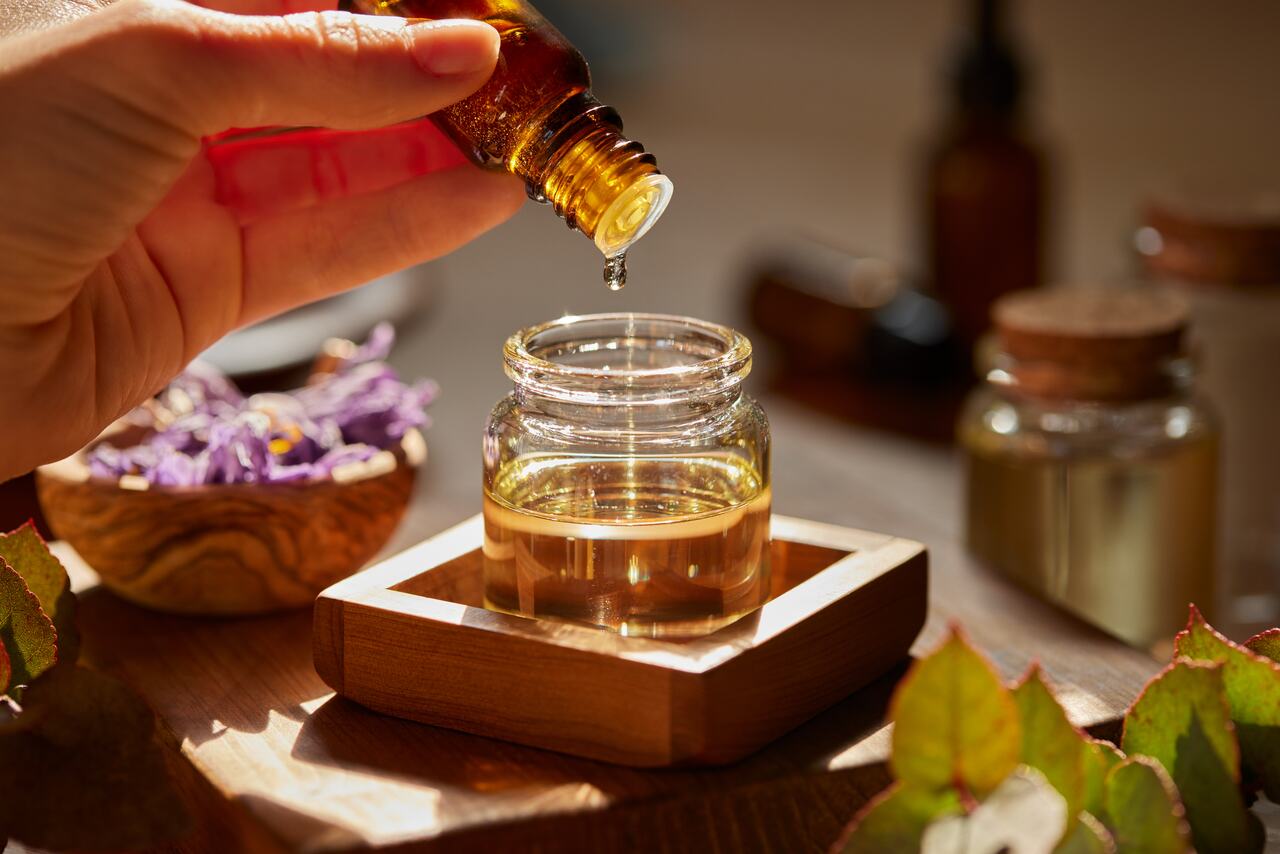
One of the elements that makes a massage more effective and relaxing is massage oils. These oils are highly concentrated natural extracts obtained from the flowers, leaves, roots, or bark of plants through distillation or pressing methods, preserving the plant’s scent in an intense form.
Massage oils can be used on the face, neck, feet, back, and shoulders. Their primary benefit is enhancing the relaxing effect of massage while helping to relieve muscle tension. You can also find answers to other frequently asked questions about massage oil usage below.
How to Use Massage Oils?
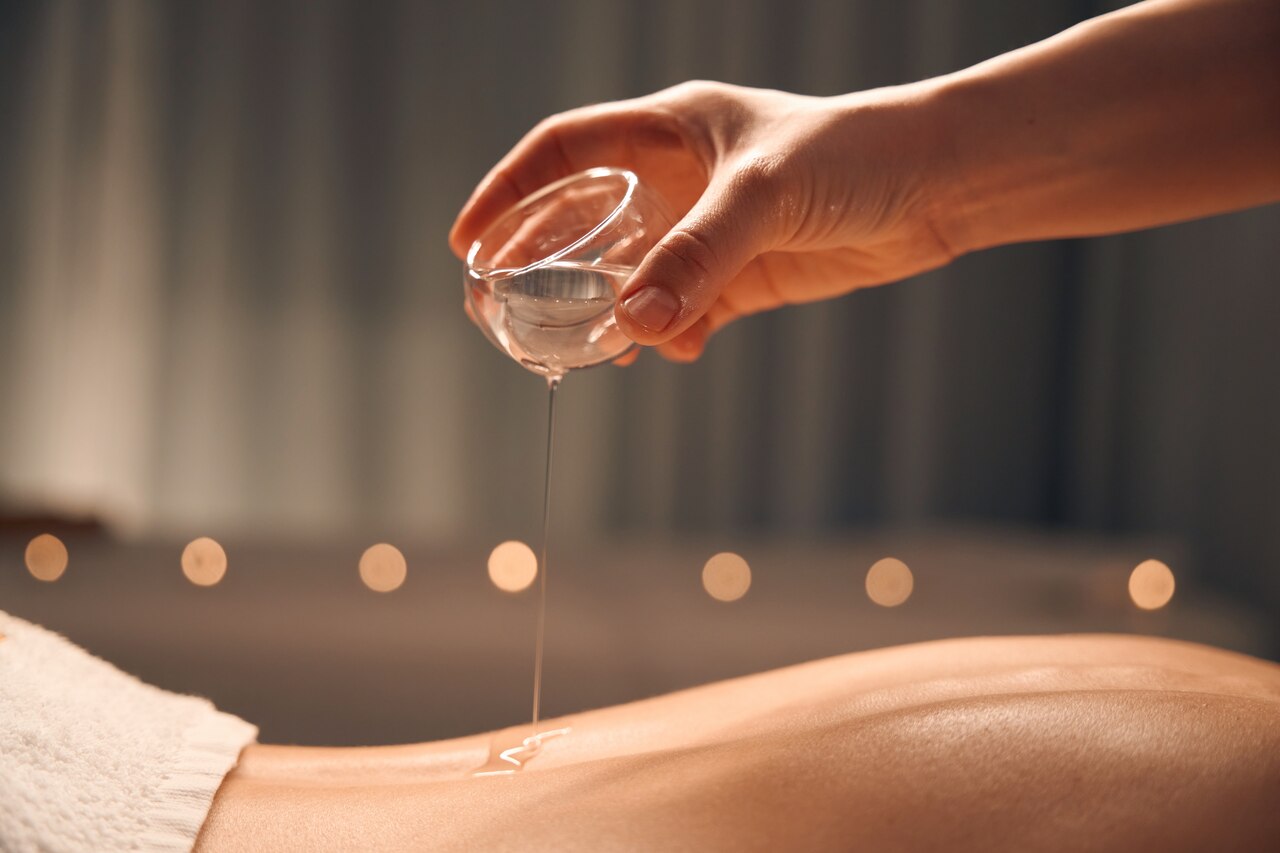
Massage oils are actively used in many types of massage. These oils, used by massage therapists, reduce friction between the skin and hands, allowing smoother and more fluid movements.
Before a massage session, the appropriate oil is selected based on the individual’s skin type, sensitivity, and the type of massage to be applied. Additionally, for first-time use, a patch test is recommended to prevent possible allergic reactions. After preparation, massage oil is applied as follows:
- Take a few drops of oil into your palms and gently rub to warm it.
- Apply the warmed oil to the target areas with slow and gentle movements.
- Ensure the oil is evenly distributed over the skin before starting massage techniques.
- Add a few more drops if needed during the massage as the oil gets absorbed.
- After the massage, the remaining oil can either be left to absorb or gently wiped off with a cloth.
What Are Massage Oils Used For?
Massage oils are used to enhance the relaxing effect of massage and make the application more comfortable. Applied directly to the skin, they help muscles relax more easily.
Natural and carrier massage oils are particularly preferred to reduce muscle tension, support blood circulation, and help relieve stress. In addition, they nourish and moisturize the skin, making them effective in skincare as well. Anti-cellulite massage oils are also commonly used on the legs and arms. While not sufficient on their own, they help reduce the appearance of cellulite with their relaxing and moisturizing effects.
What Are the Best Types of Massage Oils?
Massage oils are categorized based on their content and usage. They are preferred both for supporting skin care and enhancing the relaxing effect of massage.
For example, oils such as lavender, sweet almond, and eucalyptus are among the most effective for relieving fatigue. There are also muscle-relaxing oils that help with muscle fatigue, pain, and spasms, such as peppermint oil, rosemary oil, and jojoba oil.
The most commonly used types of massage oils are:
Aromatic Massage Oils
Aromatic massage oils are derived from fragrant plants and are frequently used in aromatherapy. Oils obtained from plants such as lavender, mint, and eucalyptus spread a pleasant scent during massage while also promoting mental relaxation. Therefore, they are often preferred in anti-stress and relaxing massage therapies.
Essential Massage Oils
Essential oils are highly concentrated natural oils obtained from the flowers, leaves, or roots of plants. Due to their potency, they are generally not applied directly to the skin and are diluted with a carrier oil. Examples include lavender oil, peppermint oil, and tea tree oil.
Carrier Massage Oils
Carrier oils are widely used in massage applications. Natural oils such as sweet almond oil, sesame oil, and grape seed oil fall into this category. They nourish, moisturize, and soothe the skin and can be used alone or as a base to dilute essential oils.
5 Benefits of Massage Oils
Massage oils provide a pleasant scent and a relaxing effect that enhances the overall massage experience. They help relax muscles and support muscle function.
Reduces Muscle Tension and Promotes Relaxation
Massage oils help muscle tissues relax more easily. Oils like lavender, peppermint, and eucalyptus reduce tension and provide relief during massage.
Supports Blood Circulation and Body Functions
Some essential oils increase blood circulation during massage, helping muscles recover faster and supporting overall body functions. For example, foot massage oils can reduce fatigue and improve circulation. A 5-10 minute circular foot massage helps relieve stress and soften cracked heels.
Relieves Muscle Pain and Fatigue
Oils such as arnica, peppermint, ginger, and rosemary help reduce muscle pain and fatigue. They are especially useful after sports or intense physical activity.
Nourishes and Moisturizes the Skin
Carrier oils like sweet almond, sesame, and grape seed oil nourish and moisturize the skin. Commonly used in facial massages, they help the skin appear softer and more radiant.
Provides Mental Relaxation and Reduces Stress
Massage oils with aromatherapy effects reduce mental fatigue, lower stress levels, and improve overall mood. Aromatic oils like lavender and eucalyptus transform massage into a deeply relaxing physical and mental experience.
Which Massage Oil Aromas Should Be Preferred?
You can choose from various effective massage oils and even create your own blend at home. For example, mixing a few drops of lavender oil with sweet almond oil creates a relaxing blend, while peppermint oil can provide a refreshing effect and help reduce muscle fatigue.
However, it is important to note that proper massage techniques are essential to ensure the oil effectively targets muscle tissues and prevents injuries. Therefore, in cases of severe muscle pain, intense stress, or chronic tension, it is recommended to seek professional massage therapy.
Can You Massage with Almond Oil?
Yes, almond oil is one of the most commonly preferred natural oils for massage. It moisturizes and softens the skin, making massage movements easier. It can also be mixed with essential oils.
Can You Massage with Baby Oil?
Yes, baby oil can also be used for massage. It creates a smooth surface on the skin, making massage easier. However, natural plant-based oils are generally preferred due to their skin-nourishing properties.